The Little Red Hen

Have you ever worked hard on a project and found that no one would help you? Then when you got it all done, suddenly everyone wanted to participate, or use your creation? You have something in common with a little Red Hen. Read the story and see if it’s like an experience you might have had, perhaps putting together a skate board ramp, building a fort, growing a pumpkin or carefully setting up your action figures.
In this lesson you will examine through the use of a story how the Little Red Hen uses the productive resources of natural resources, human resources, capital and entrepreneurs to produce bread. You will then match specific items identified in the story with their category of productive resource and then predict what incentives might influence the characters in the future because of the experiences in the story.
Read with a fellow student or your teacher the The Little Red Hen (story). Keep in mind there will be several elements to identify in the story:

Once you have read the story, go through the following activities:
Most children do not have the opportunity to see or feel where an every day loaf of bread comes from or how it is made. Some children may never get the opportunity to make or even eat bread. Think about how it makes you feel to have this luxury. How do you think Meow, Bark, and Squeak might behave in the future. What incentive do they have to change there ways.
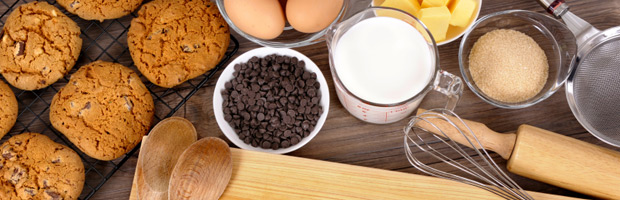
Using pictures or words create cards of the ingredients, tools and individuals involved in making bread. You should prepare at least 15-30 in total. Sort these into productive resources - human, natural, capital or entrepreneurial. You may use the word search in help in identifying many of the terms used in this lesson.
You also might create matching sets of cards to play concentration such that you have a picture of a mixing bowl and the word capital in order to create a match.
You might choose to look at what yeast is and the science behind the "rising" of bread.
Visit "Why does bread rise?" site to learn about what makes bread rise and to try a simple experiment.