What's the Problem with Digital TV
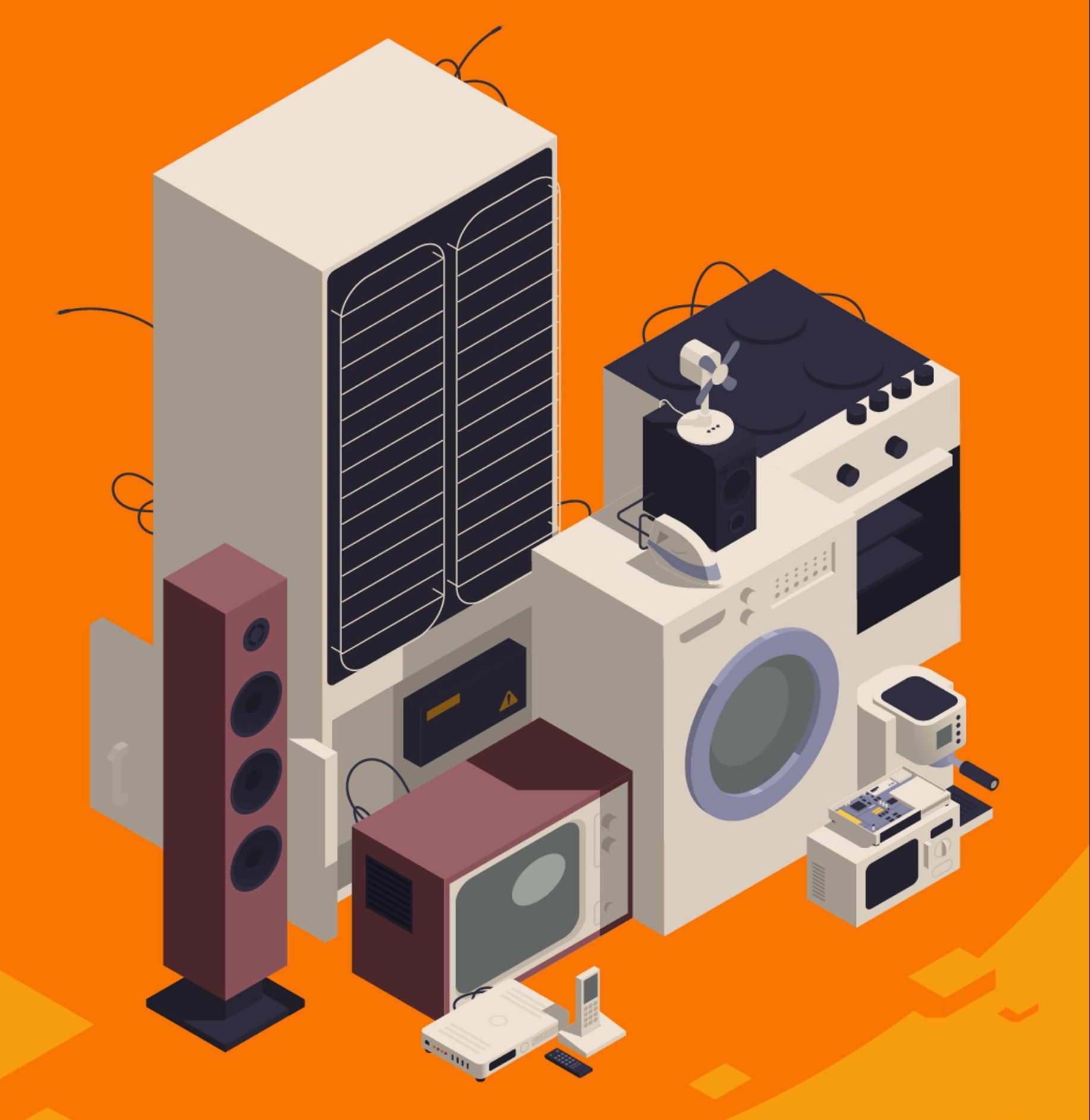
The Federal Communications Commission has mandated that by the year 2006 all TV transmission will be digital. Most homes in the United States have more than one television set and most of those sets are analog not digital, Analog TVs are not capable of receiving digital transmission.
Activity 1
1. What will happen to all of the analog TVs after 2006 when they are no longer useful?
According to the Federal Communication Commission's November 1998 "Digital Television Consumer Information" bulletin, digital television will "...allow television to enter the digital world of the personal computer and the Internet."
With digital transmission a TV broadcaster will be able to:
- send multiple programming at the same time over the same channel,
- improve the quality of the transmission with options not available with analog transmission,
- offer digital data services which will allow the TV broadcaster to send out virtual newspapers and other types of services directly to your TV.
Activity 2
The "problem" is that when people switch from their old analog TVs to the new digital TVs those old analog TVs will be thrown out.
Did you know that there are parts of a TV that are very toxic to the environment. Listen to this Living on Earth segment on the environmental hazards of TV disposal :"Toxic Television Disposal": Living on Earth 2/18/00. www.loe.org/shows/shows.htm?programID=00-P13-00007#feature3
Activity 3
We have a problem!
Millions of analog TVs are going to be thrown out in the next decade and someone is going to haveWho should pay for analog TV disposal?
to pay. If these TVs are not safely recycled their disposal will cause damage to the environment.
Should those paying be forced to do so through taxation or government regulation or should they be encouraged through education and information programs?
Evaluate the following alternative solutions to this problem
1. Print and complete the following table by identifying the costs and benefits to society of each possible solution.
Here is a link to the chart below in the form of a handout Problem: WHO should pay for analog TV disposal? HOW? (Printable Version - PDF 52K)
|
Problem: WHO should pay for analog TV disposal? HOW? |
||
| Alternative Solution 1: | What are the costs to society of this solution? | What are the benefits to society of this solution? |
| The local government charges higher refuse taxes to those disposing of analog TVs. | ||
| Alternative Solution 2: | What are the costs to society of this solution? | What are the benefits to society of this solution? |
| The government place strict "take back" regulations on TV manufacturers. | ||
| Alternative Solution 3: | What are the costs to society of this solution? | What are the benefits to society of this solution? |
| Communities devise their own voluntary "take back" plans. | ||
| Alternative Solution 4: | What are the costs to society of this solution? | What are the benefits to society of this solution? |
| Do nothing. When damage to the environment occurs taxpayers can pay for the cleanup costs. | ||
2. Which solution provides the most benefit at the least cost to society?
3. Enter your choice in the following survey and compare it to the choices made by other students who have completed this lesson. function Start(page) {OpenWin = this.open(page,"popup","scrollbars=1,top=50,left=100,width=450,height=600");}
The Federal Communications Commission has mandated that by the year 2006 all TV transmission will be digital. Most homes in the United States have more than one television set and most of those sets are analog not digital, Analog TVs are not capable of receiving digital transmission.
Process:
Activity 1
1. What will happen to all of the analog TVs after 2006 when they are no longer useful?
According to the Federal Communication Commission's November 1998 "Digital Television Consumer Information" bulletin, digital television will "...allow television to enter the digital world of the personal computer and the Internet."
With digital transmission a TV broadcaster will be able to:
- send multiple programming at the same time over the same channel,
- improve the quality of the transmission with options not available with analog transmission,
- offer digital data services which will allow the TV broadcaster to send out virtual newspapers and other types of services directly to your TV.
Activity 2
The "problem" is that when people switch from their old analog TVs to the new digital TVs those old analog TVs will be thrown out.
Did you know that there are parts of a TV that are very toxic to the environment. Listen to this Living on Earth segment on the environmental hazards of TV disposal :"Toxic Television Disposal": Living on Earth 2/18/00. http://www.loe.org/archives/000218.htm
Activity 3
Assessment Activity
We have a problem!
Millions of analog TVs are going to be thrown out in the next decade and someone is going to have to pay. If these TVs are not safely recycled their disposal will cause damage to the environment. Who should pay for analog TV disposal?
Should those paying be forced to do so through taxation or government regulation or should they be encouraged through education and information programs?
Evaluate the following alternative solutions to this problem.
1. Print and complete the following table by identifying the costs and benefits to society of each possible solution.
Here is a link to the chart below in the form of a handout Problem: WHO should pay for analog TV disposal? HOW? (Printable Version - PDF 52K)
|
Problem: WHO should pay for analog TV disposal? HOW? |
||
| Alternative Solution 1: | What are the costs to society of this solution? | What are the benefits to society of this solution? |
| The local government charges higher refuse taxes to those disposing of analog TVs. | � | � |
| Alternative Solution 2: | What are the costs to society of this solution? | What are the benefits to society of this solution? |
| The government place strict "take back" regulations on TV manufacturers. | � | � |
| Alternative Solution 3: | What are the costs to society of this solution? | What are the benefits to society of this solution? |
| Communities devise their own voluntary "take back" plans. | � | � |
| Alternative Solution 4: | What are the costs to society of this solution? | What are the benefits to society of this solution? |
| Do nothing. When damage to the environment occurs taxpayers can pay for the cleanup costs. | � | � |
2. Which solution provides the most benefit at the least cost to society?
3. Enter your choice in the following survey and compare it to the choices made by other students who have completed this lesson.� function Start(page) {OpenWin = this.open(page,"popup","scrollbars=1,top=50,left=100,width=450,height=600");}
| Survey Which solution did you choose? |
| What state are you from? --Select a State-- International Alabama Alaska Arizona Arkansas California Colorado Connecticut Delaware Florida Georgia Hawaii Idaho Illinois Indiana Iowa Kansas Kentucky Louisiana Maine Maryland Maine Michigan Minnesota Mississippi Missouri Montana Nebraska Nevada New Hampshire New Jersey New Mexico New York North Carolina North Dakota Ohio Oklahoma Oregon Pennsylvania Rhode Island South Carolina South Dakota Tennessee Texas Utah Vermont Virginia Washington West Virginia Wisconsin Wyoming |
| What grade level are you in? --Select Grade Level -- 6-8 9-12 |
| What solution did you choose? --Select a Solution -- 1) Higher refuse taxes... 2) "Take Back" regulations... 3) Voluntary "take back" plans... 4) Do nothing... |